
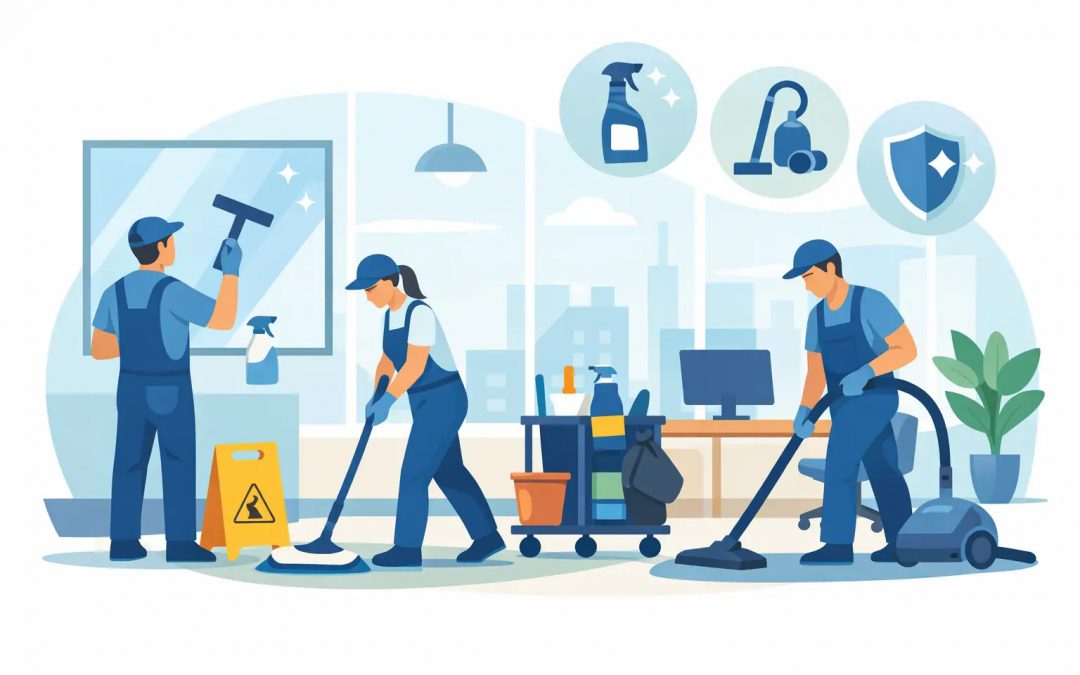
A clean lobby, stocked restrooms, and floors that do not look worn out by noon are not small details. For property managers, office administrators, and business owners, they are part of daily operations. If you are asking what do commercial cleaning services offer, the short answer is consistency, healthier spaces, and less day-to-day hassle. The better answer is more specific, because the right provider should do more than empty trash and run a vacuum.
Commercial cleaning is built around the needs of working facilities. That means cleaning plans are shaped by foot traffic, business hours, compliance requirements, and the image you want to present to staff, tenants, patients, or customers. A medical clinic does not need the same service schedule as a condo common area, and a restaurant has very different pressure points than an office suite.
What do commercial cleaning services offer on a regular basis?
At the core, most commercial cleaning services provide recurring cleaning for the areas people use every day. This usually includes vacuuming carpets, mopping hard floors, dusting surfaces, cleaning entrances, wiping touchpoints, emptying garbage and recycling, and keeping restrooms clean and supplied. In offices, that often extends to breakrooms, meeting rooms, reception areas, and private workspaces. In multi-tenant buildings, it may focus more on lobbies, hallways, elevators, and shared amenities.
The value is not just that these tasks get done. It is that they get done on a schedule you can rely on. Daily, nightly, weekly, or customized service plans help facilities avoid the gradual drop in standards that happens when cleaning is handled inconsistently. For operations leaders, that reliability matters as much as the cleaning itself.
A solid janitorial program also includes routine inspections and adjustments. If a restroom sees heavier use than expected or an entrance starts trapping more debris in winter, the service plan should respond. Commercial cleaning is not a one-size-fits-all checklist. It works best when it is managed actively.
Janitorial services vs. deep cleaning
One common point of confusion is the difference between janitorial services and deep cleaning. Janitorial work covers the ongoing tasks that keep a facility presentable and sanitary day after day. Deep cleaning goes after buildup, neglected areas, and surfaces that need more intensive care.
For example, a janitorial team may mop tile floors regularly, but deep cleaning may include machine scrubbing, grout restoration, or edge detailing that standard service does not cover. Regular cleaning keeps things under control. Deep cleaning resets the space.
That matters because some businesses only think about cleaning when standards slip. By then, the work is usually more expensive and more disruptive. A better approach is to combine recurring service with seasonal or periodic deep cleaning where needed.
Specialized services businesses often need
Beyond routine cleaning, many commercial providers offer specialty services that solve specific facility issues. This is where the scope of service can vary a lot from company to company.
Floor care is one of the most common examples. Carpet cleaning, tile and grout cleaning, floor scrubbing, and finish maintenance can make a major difference in appearance and longevity. In high-traffic environments, floors take the most visible wear. If they are ignored, the whole facility can look poorly maintained even when other areas are clean.
Restroom sanitation is another area where many clients need more than a basic wipe-down. Proper disinfecting, odor control, restocking, and attention to touchpoints all matter, especially in medical, hospitality, education, and public-facing settings.
Some providers also handle seasonal deep cleaning. That may include detailed dusting, wall spot cleaning, vent cleaning around accessible areas, baseboard work, and intensive cleaning after busy periods or weather shifts. In climates with snow, slush, and heavy entryway traffic, seasonal service can protect both appearance and flooring.
There are also industry-specific needs. A dental office may prioritize disinfection protocols and polished patient-facing areas. A condo property may focus on common areas and resident satisfaction. A restaurant may need extra attention in restrooms, floors, and front-of-house presentation. The best commercial cleaning services understand those differences and build around them.
What do commercial cleaning services offer besides labor?
This is where a good vendor can save your team time and money. Some commercial cleaning companies do more than provide labor. They also supply sanitary and janitorial products, which can reduce the number of vendors you manage.
That can include toilet paper, paper towels, hand soap, liners, dispensers, and other facility essentials. For office managers and property teams, this simplifies ordering and helps avoid stockouts. It can also create better cost control when products are purchased at wholesale pricing instead of through fragmented retail channels.
There is an operational benefit here that gets overlooked. When one provider handles both cleaning service and supply support, accountability is clearer. If a restroom is clean but empty, that is still a problem. Bundling service and supply management helps close that gap.
Green cleaning and why it matters
Many businesses ask for eco-friendly cleaning, but not all green programs are the same. In practice, green cleaning should mean using products and methods that reduce harsh chemical exposure while still delivering reliable sanitation and appearance standards.
For employers, this can support a healthier indoor environment for staff and visitors. For property managers, it can align with broader building policies or tenant expectations. For healthcare-adjacent and education settings, it can be part of a more responsible approach to daily maintenance.
That said, green cleaning is not about choosing weaker results. A professional provider should be able to explain how eco-friendly products are used, where they are appropriate, and how they fit with required hygiene outcomes. It is another area where experience matters more than marketing claims.
What a service plan should include
If you are comparing providers, the real question is not only what do commercial cleaning services offer, but how clearly they define it. A dependable cleaning partner should outline the scope of work, frequency, service hours, supply responsibilities, and any optional add-ons from the start.
That level of detail protects both sides. It helps clients know what is covered and helps the cleaning team execute consistently. It also makes it easier to adjust service as your facility changes. A growing office may need more restroom attention. A school may need schedule changes during breaks. A retail or recreation space may need extra support during peak periods.
Customized planning is especially important for multi-use properties or businesses with strict operating hours. Cleaning should support your workflow, not interrupt it.
What separates a dependable provider from a risky one
Not every commercial cleaning service delivers the same level of oversight. Price matters, but so do trust signals. Businesses should look for a provider that is fully bonded and insured, responsive when issues come up, and experienced in the type of facility being cleaned.
Consistency usually comes from process. That includes staff training, supervision, quality checks, and a clear communication path when something needs attention. Family-owned companies often stand out here because service does not get passed through layers of bureaucracy. The relationship tends to be more direct and more accountable.
Experience also helps with practical problem-solving. A team that has cleaned offices, clinics, restaurants, schools, and common areas for years is more likely to spot trouble early, recommend the right service level, and avoid the kind of missed details that create complaints.
GX Cleaning Services, for example, is built around that kind of hands-on support – customized plans, eco-friendly service, wholesale supply access, and insured operations designed to make facility management easier.
When commercial cleaning becomes a cost saver
Some buyers still treat cleaning as a simple line-item expense. In reality, good service can protect assets, reduce complaints, improve presentation, and lower the internal time your staff spends chasing basic maintenance issues.
Clean floors last longer when they are maintained properly. Restrooms generate fewer complaints when they are cleaned and stocked consistently. Front entrances make a better impression when debris and smudges are handled before visitors notice them. Those outcomes may not always show up in a dramatic monthly report, but they affect tenant satisfaction, employee comfort, and brand perception every day.
The cheapest proposal is not always the lowest-cost option over time. If service is inconsistent, you often end up paying for corrections, emergency cleanups, product shortages, or early surface replacement.
Choosing a commercial cleaning provider comes down to fit. The right company should match your building type, your schedule, your hygiene standards, and your budget without forcing you into a generic program. When that fit is right, cleaning stops being one more issue to manage and starts working the way it should – quietly, reliably, and in support of everything else your facility needs to do.